Key Takeaways
- Glasses bend light so your eyes can focus clearly, but they only work while you wear them.
- Not wearing glasses can make daily tasks harder for adults, though it rarely leads to lasting harm.
- Glasses don’t weaken your eyes, and exercises can’t replace them.
- Children often need steady glasses wear because their eyes and brains are still growing.
- Age, family history, screen time, and health play the biggest role in vision changes.
What Glasses Actually Do for Your Eyes
Glasses work by bending light before it reaches the back of your eye. However, glasses only correct your vision while you’re actually wearing them. If you take your glasses off, your vision returns to normal—blurriness and all.
Glasses don’t change the shape of your eye or otherwise change how you see. They simply help your eyes do their job in the moment. Wearing glasses doesn’t make your vision worse.
At Focal Point Comprehensive Vision Care in Morden and Carman Vision Services in Carman, we offer a wide range of glasses and frames designed to help you read, work, and drive, so that you can live your life in visual comfort.
Common Vision Problems Glasses Correct
When your eyes don’t bend light properly, the result is blurry vision. Some common causes include:
- Nearsightedness, a condition in which distant objects look blurry
- Farsightedness, a condition in which close-up objects look blurry
- Astigmatism, which causes blurry vision at every distance due to the irregular shape of the eye
- Presbyopia, an age-related trouble with close-up focus that often shows up after 40
What Happens When You Don’t Wear Your Glasses
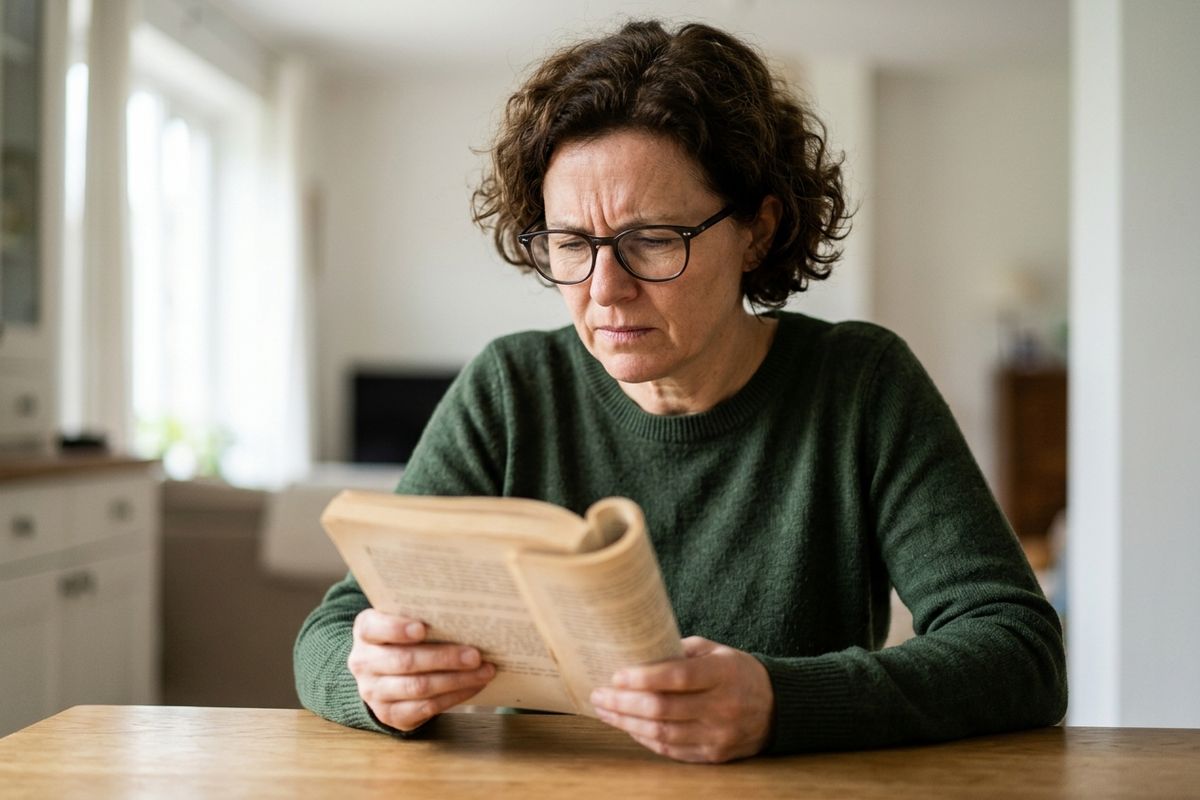
If you don’t wear your glasses, your eyes have to work harder to focus. This can lead to eye strain, fatigue, headaches, and more squinting.
For most adults, not wearing their glasses doesn’t cause permanent damage to their vision. Your eyesight won’t suddenly get worse just because you didn’t wear glasses for a day. Still, the discomfort adds up, and daily tasks like reading a menu or scanning a spreadsheet will take more visual effort than they should.
Signs Your Eyes Are Strained
Your eyes often tell you when they’re tired. Watch for these signs:
- Headaches
- A tired, heavy feeling around your eyes
- Blurry vision and squinting
- Dry and itchy eyes
- Sensitivity to light
Long hours in front of a screen can also contribute to eye strain.
Common Myths About Glasses and Eye Health
Plenty of stories are floating around about glasses. Some might sound believable, but in the end they simply don’t add up.
Myth: Glasses Make Your Eyes Weaker
Glasses don’t change how strong your eyes are. They correct how light reaches your eye, nothing more.
Here’s why the myth might feel true: Once you get used to clear vision, your uncorrected blurry vision starts to seem worse by comparison. However, your eyes didn’t get any weaker. Most prescription changes come from natural aging, not from wearing glasses.

Myth: You Can Train Away Glasses
Some online videos claim to offer eye workouts that will let you toss your glasses away for good. However, exercises can’t change the shape of your eye or change how light bends inside it.
Refractive errors like nearsightedness are caused by the shape of your eye, and will need correction regardless of your routine. Movement might relax tired muscles, but it can’t replace a prescription.
While vision therapy is a real thing, it’s designed to enhance specific visual skills like eye coordination, not blurriness caused by conditions like nearsightedness or astigmatism.
Why Children Need to Wear Their Glasses
Children are a different story. Their eyes and brains are still developing, and untreated vision problems can interfere with how they learn to work together. Consistent glasses wear may be part of care for conditions like lazy eye, where the brain starts to rely more on one eye than the other. Steady, clear input gives both eyes a fair chance to develop together.
What Really Changes Your Eyesight Over Time
If glasses aren’t the reason your vision shifts, what is? Depending on your age, a few different factors can affect your eyesight as the years pass:
Prescription changes often come from natural eye growth, age, family history, and health conditions. For children, myopia risk can also be affected by time outdoors and near work or screen habits. Health conditions like diabetes can affect the eyes directly, which is one reason routine eye exams matter.
Simple Habits to Protect Your Vision
Small daily choices can help support your eyes for the long run. For instance, to prevent eye strain, you can try the 20-20-20 rule: every 20 minutes, look at something 20 feet away for 20 seconds. This gives your eyes a chance to rest and relax.
Wear sunglasses to block UV rays whenever you’re outside, even on cloudy Manitoba afternoons. And make sure to book routine eye exams, so that your eye doctor can pick up on any changes to your vision.
Book your eye exam with Focal Point Comprehensive Vision Care in Morden or Carman Vision Services, and let our team help keep your vision clear, comfortable, and on track.