Can Myopia Be Reversed?
Myopia, or nearsightedness, is a common vision concern, and it’s often the first thing parents ask about when a child starts holding books close or squinting at the whiteboard. Plenty of adults deal with it too, whether they’ve worn glasses for years or just started needing them.
So, can you reverse it? Myopia can’t be reversed, since the change in the eye’s shape is permanent, but the right care can slow how fast it progresses and help keep your vision clear.
What Myopia Is and How It Affects Vision
Distant objects turn blurry while close-up ones, like your phone or a book, stay sharp. That’s myopia in a nutshell.
It happens when the eyeball grows a bit too long, or the cornea curves more than it should. Light lands in front of the retina instead of right on it, so the image comes through soft.
Myopia often starts in childhood. As kids grow, their eyes grow too, and the blur can get more pronounced over the years.
Why Myopia Can’t Be Reversed
Once the eyeball grows longer or the cornea’s curve steepens, that shape is permanent. It can’t shrink back on its own.
Glasses, contacts, and surgery don’t undo this change. They correct how light bends into your eye so you can see clearly, but the eye itself keeps its shape. Think of it as management, not a cure.
Common Myths About Myopia
Some popular ideas about “fixing” myopia stick around. But chasing them can waste your time or even cause harm. Skip these:
- Eye exercises can’t shorten the eyeball, so they won’t undo myopia.
- No vitamin or supplement reverses nearsightedness.
- Pressing or rubbing your eyes risks damage and won’t change your prescription.
Why Myopia Keeps Becoming More Common
We’re seeing more kids and adults become nearsighted than in past decades, and a few patterns help explain why.
Screens and close-up work fill more of the day now. Phones, tablets, and reading keep your eyes focused up close for hours at a stretch.
Time outdoors matters too. Natural light and distance viewing seem to support healthy eye growth, so less time outside may play a role.
Genetics factor in as well. If 1 or both parents are nearsighted, your child has a higher chance of developing myopia too.
Signs to Watch For in Kids
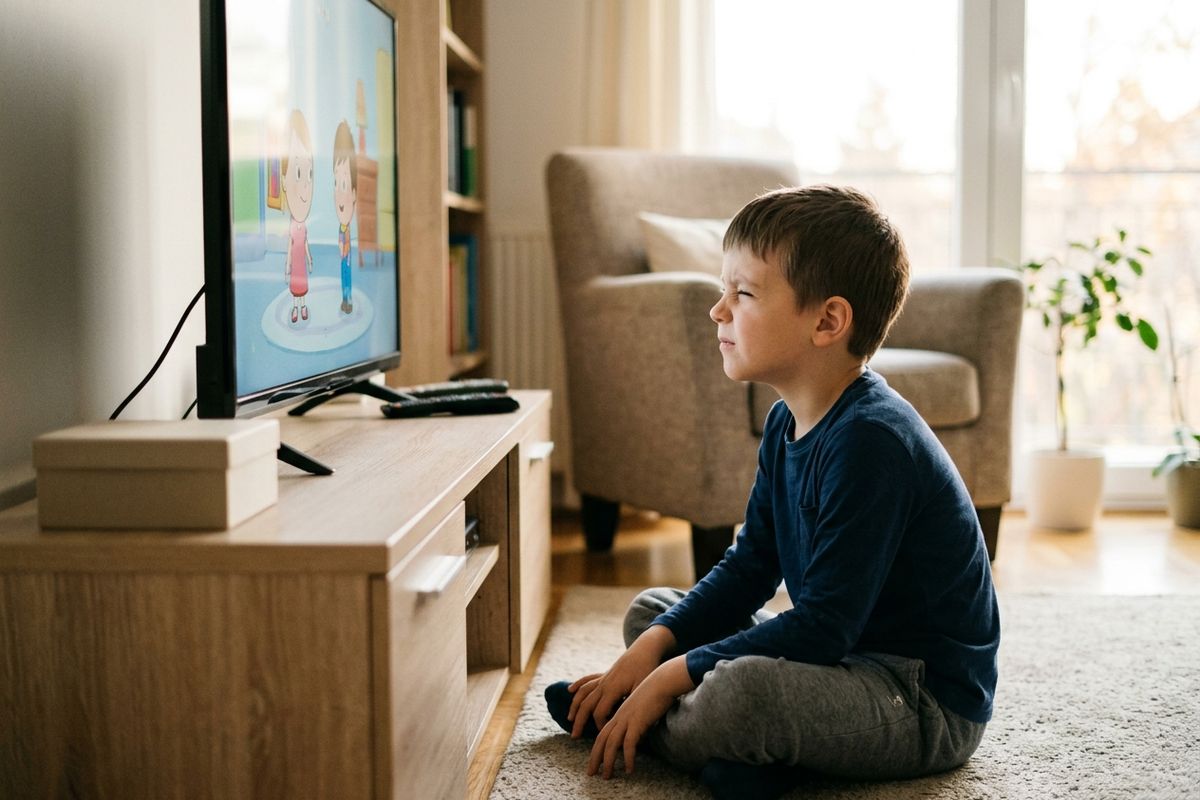
Kids rarely announce that their vision is blurry. They just adapt, which means it’s on us (and you) to spot the signs. Watch for:
- Squinting
- Frequent blinking
- Eye rubbing
- Sitting close to the TV or holding a screen near the face.
- Trouble reading the board at school.
How Myopia Can Be Managed and Slowed
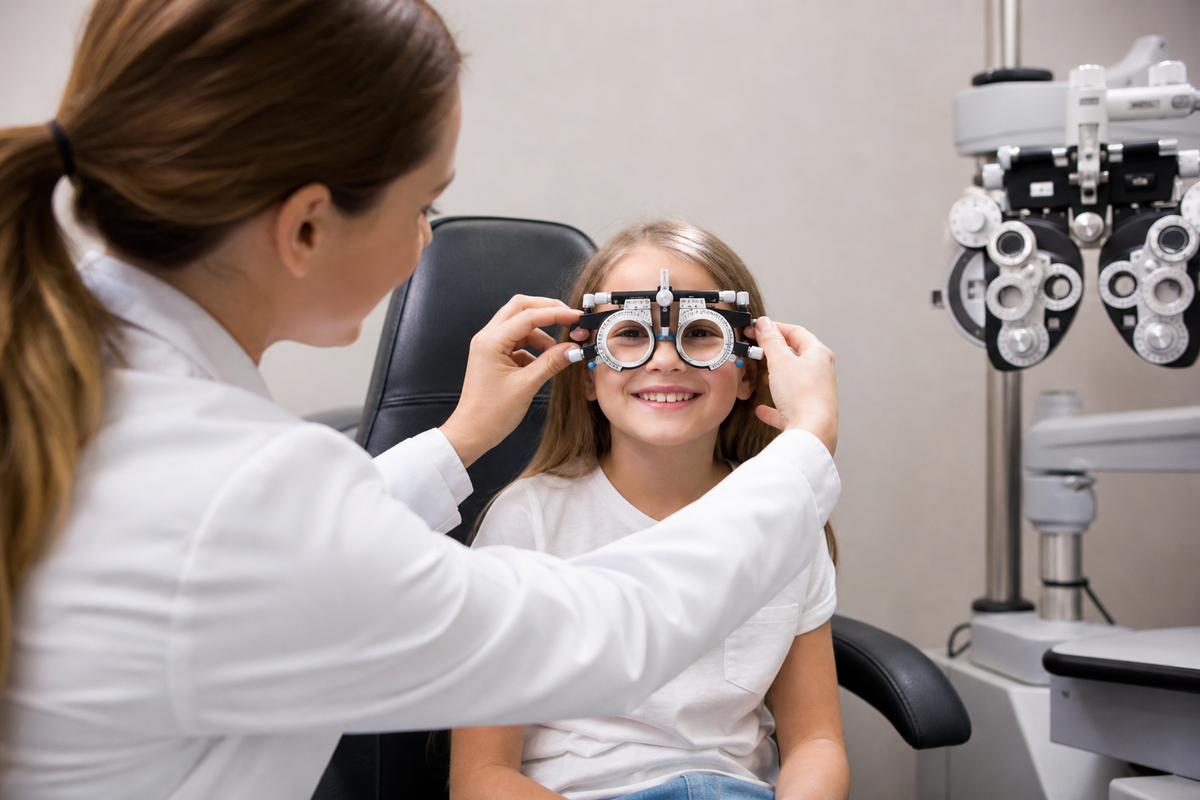
You can’t reverse myopia, but you can help slow how quickly it progresses, especially in kids. Book an eye exam, and your optometrist can map out options that fit your child’s age and needs.
Treatment Options for Children
A few approaches have a solid track record for slowing progression:
- Myopia control glasses and soft contact lenses designed to slow eye growth.
- Overnight ortho-k lenses that reshape the cornea while your child sleeps.
- Low-dose atropine eye drops used nightly under an optometrist’s guidance.
Daily Habits That Help
Small routines add up over time. Try these:
- Aim for 90 to 120 minutes of outdoor time each day.
- Follow the 20-20-20 rule: look 20 feet away for 20 seconds every 20 minutes.
- Hold screens and books about 30 to 40 cm from the eyes.
Myopia Options for Adults
Vision usually settles down by early adulthood, so your prescription tends to hold steady from there. Glasses and contacts remain reliable ways to correct distance vision, and you can pick whatever fits your routine.
Laser surgery works for some adults, though it calls for a full evaluation first. Book a consultation, and your optometrist can check your prescription, corneal thickness, and overall eye health to see if it’s a good fit for you.
Why Early Management Matters
Slowing myopia early does more than sharpen the view. It lowers the risk of high myopia, which is linked to eye health concerns later in life. Since it reduces the chance of strong prescriptions over time, it can also help children see more clearly into adulthood.
Come in for an eye exam and leave with a clear plan built around your eyes.
See Clearly, Starting with Your Next Eye Exam
Myopia can’t be reversed, but a solid plan can help protect your vision, and your child’s, for years to come. That’s where we come in.
At Focal Point Comprehensive Vision Care, we work with families across the community on eye exams, myopia management, and eyewear that fits your life. Book your appointment, and let’s get started.